Healing Medicine
Connect in Nature CME Retreat for Women in Medicine
Dec 2-4, 2026 OR October 6-8, 2027
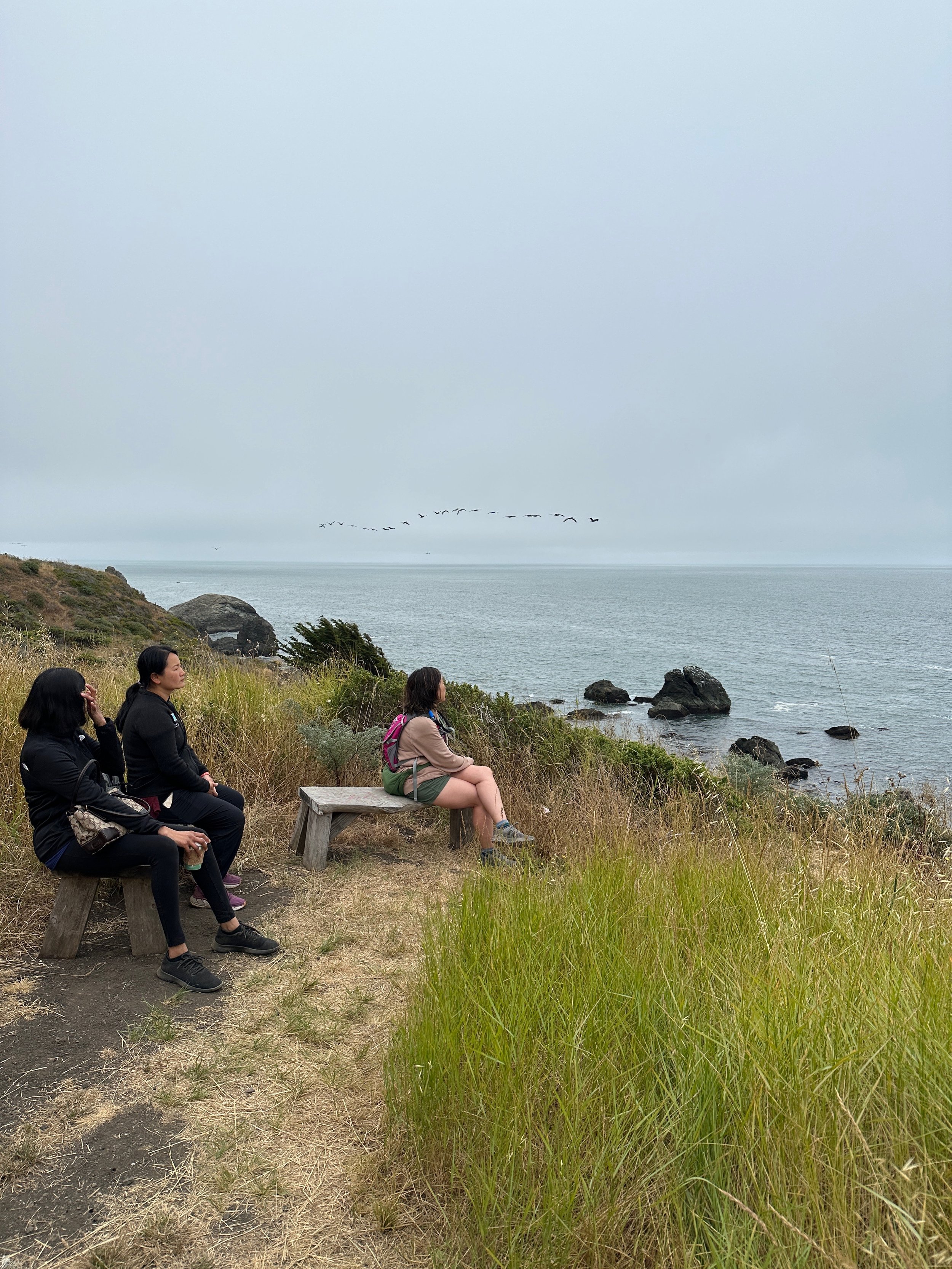
“This retreat was a wonderful time to reconnect to self, to each other, and to nature.
It really was nourishing.”

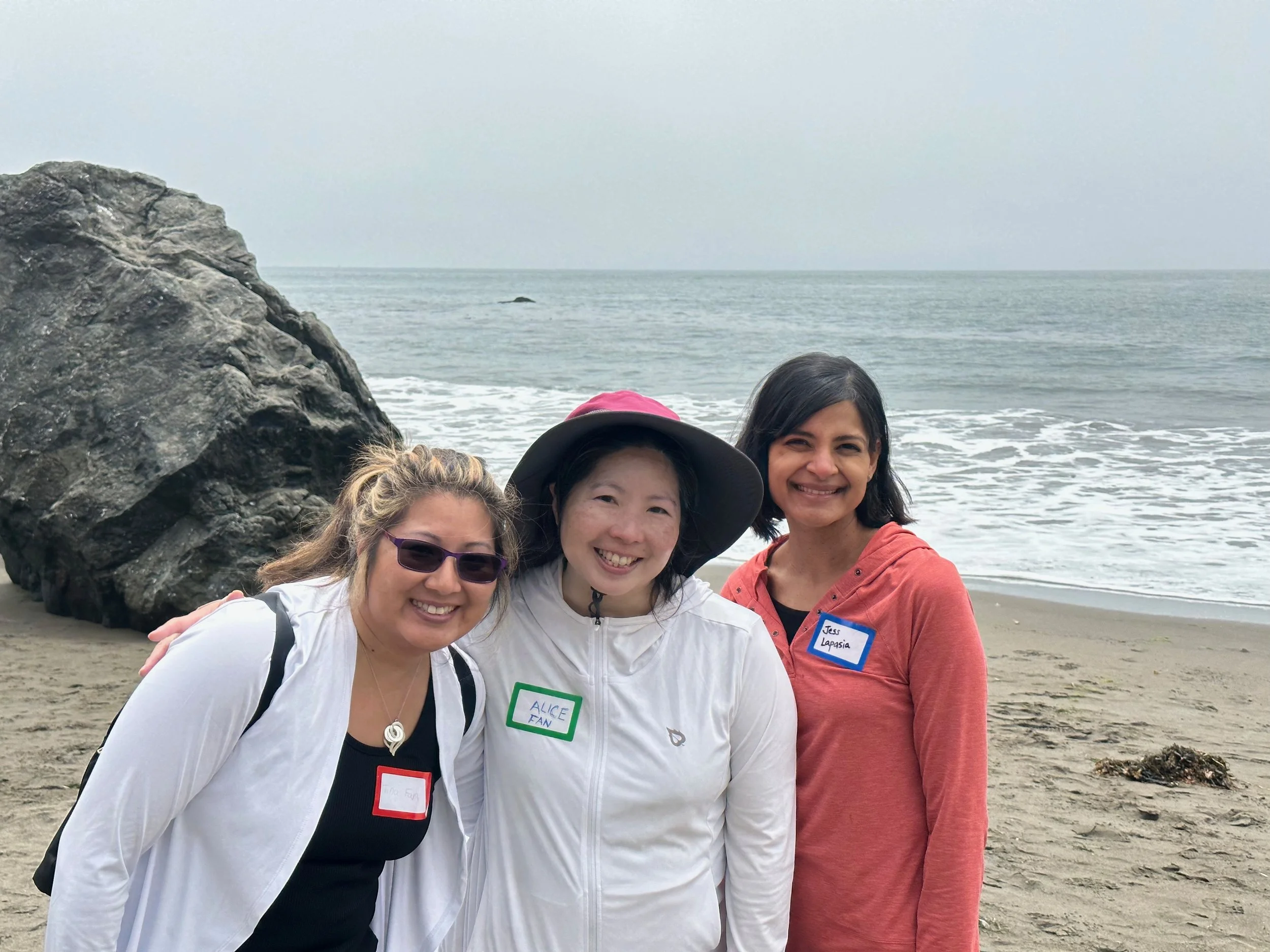
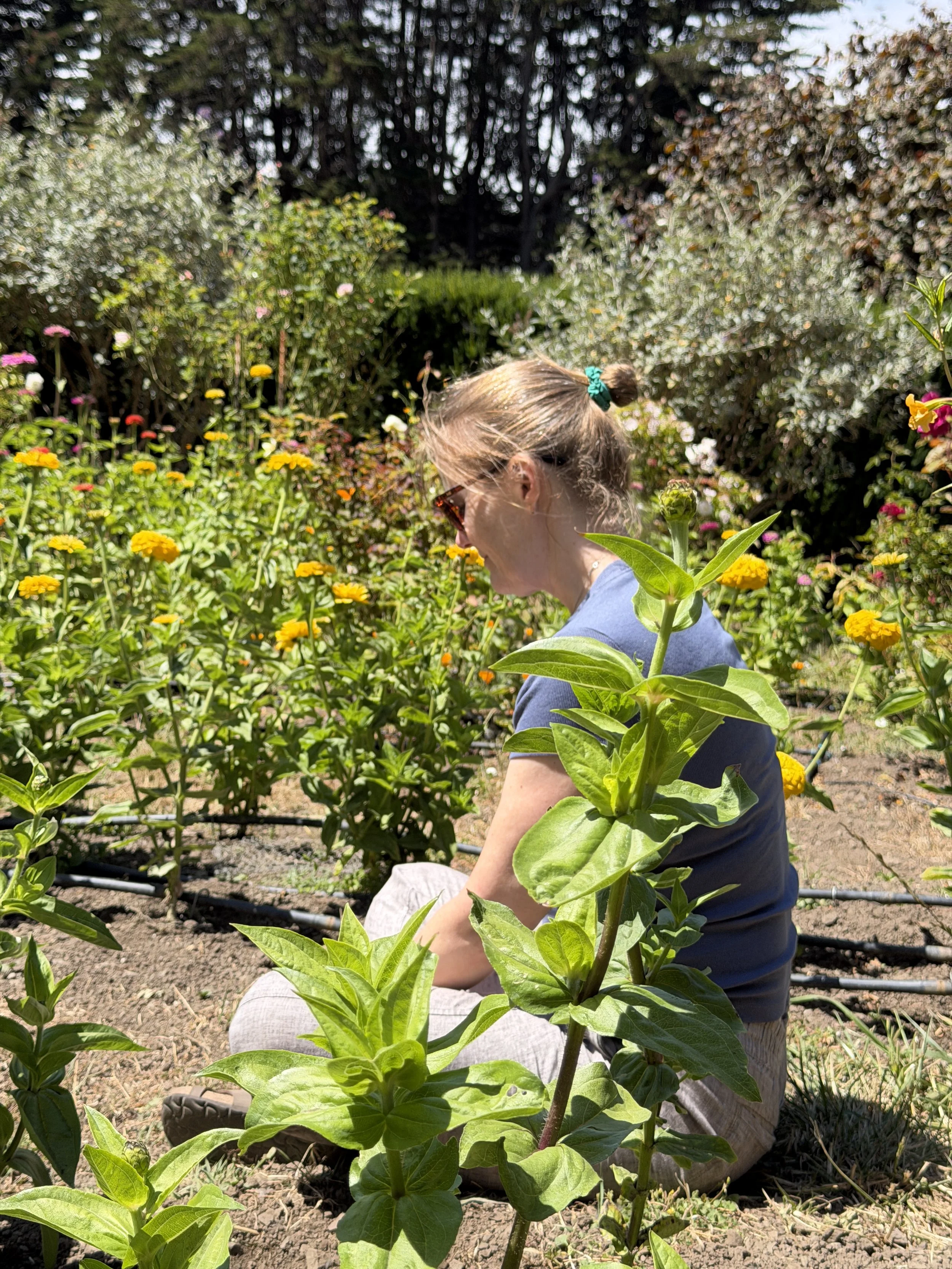
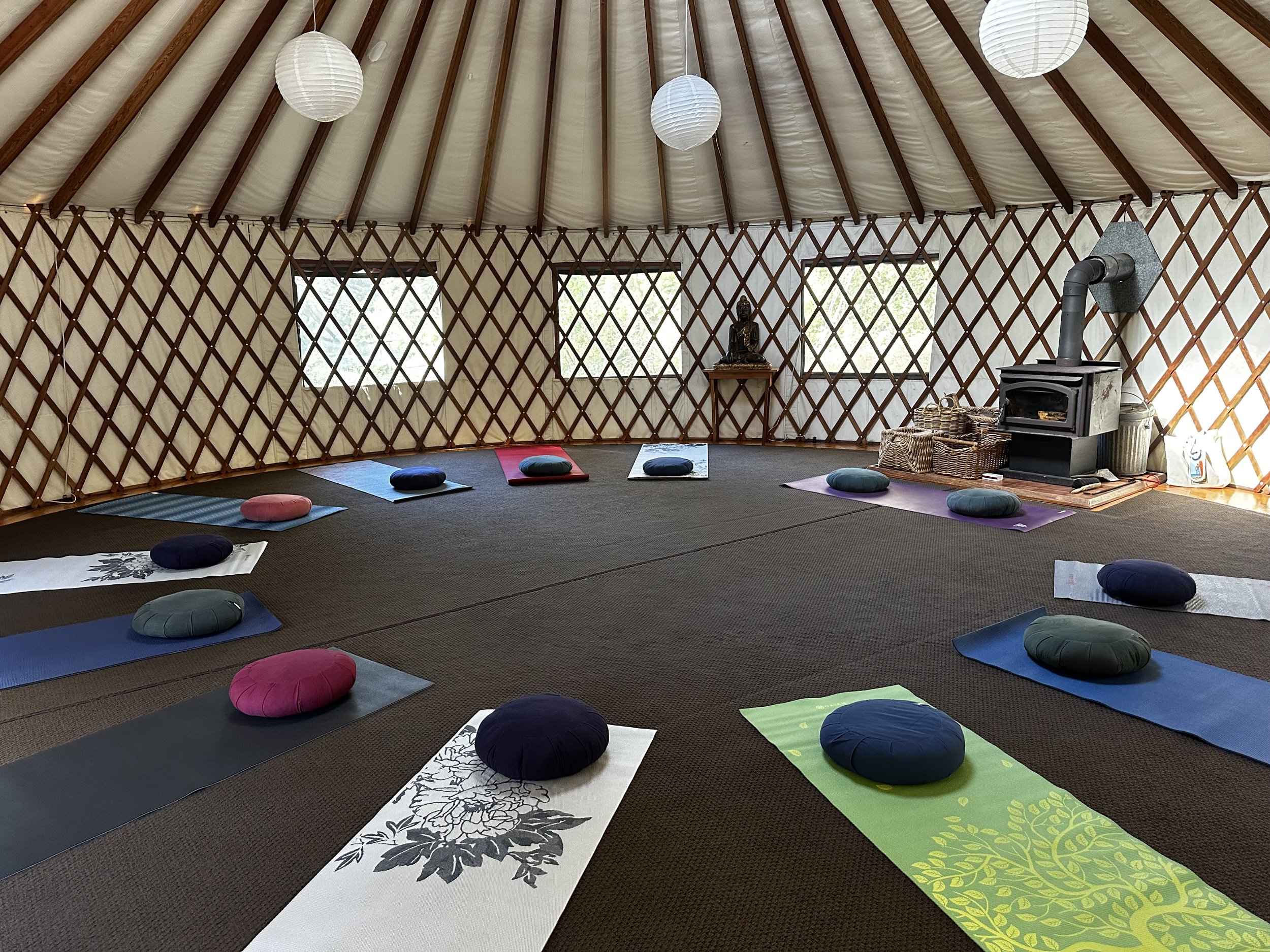
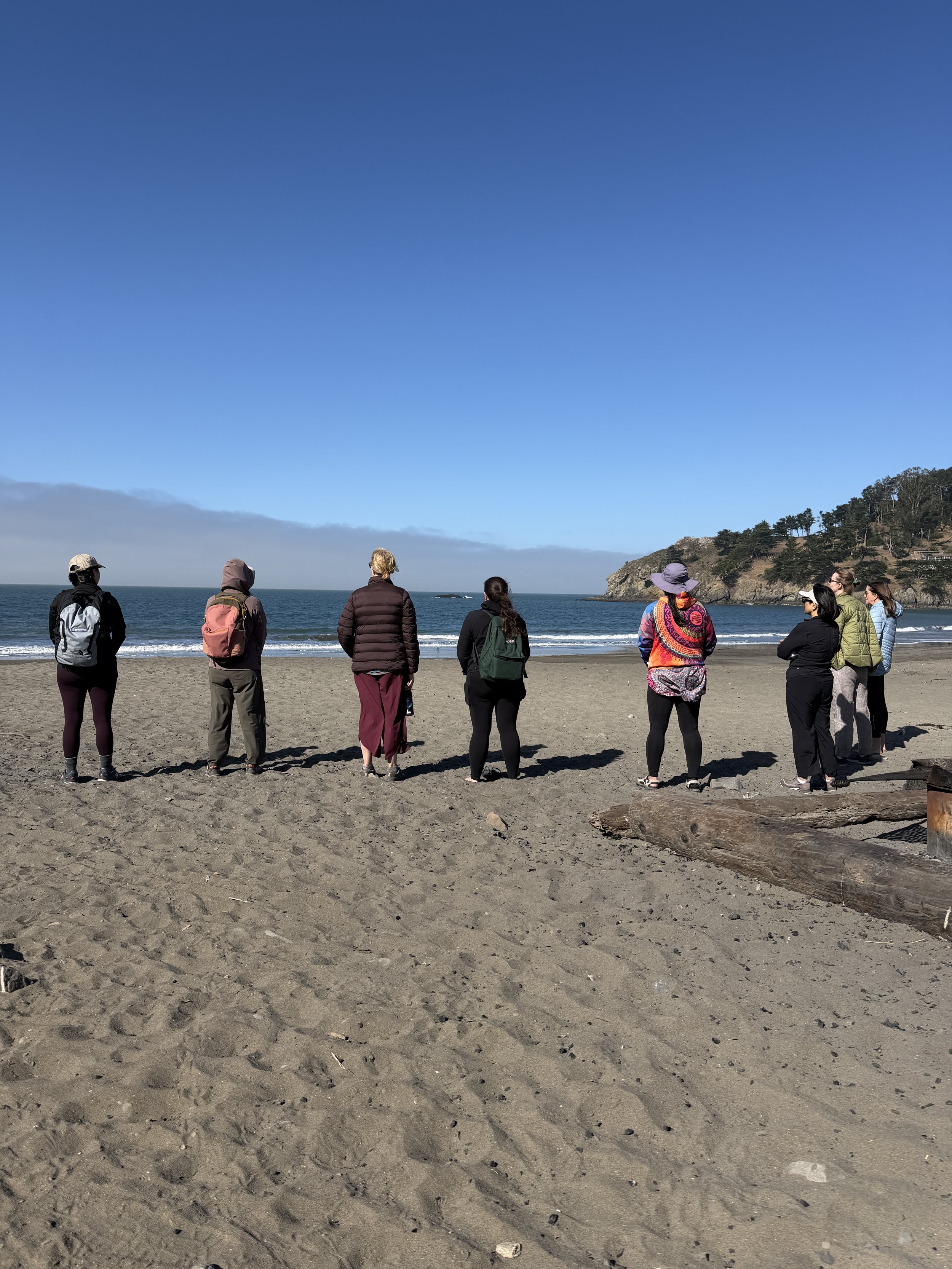
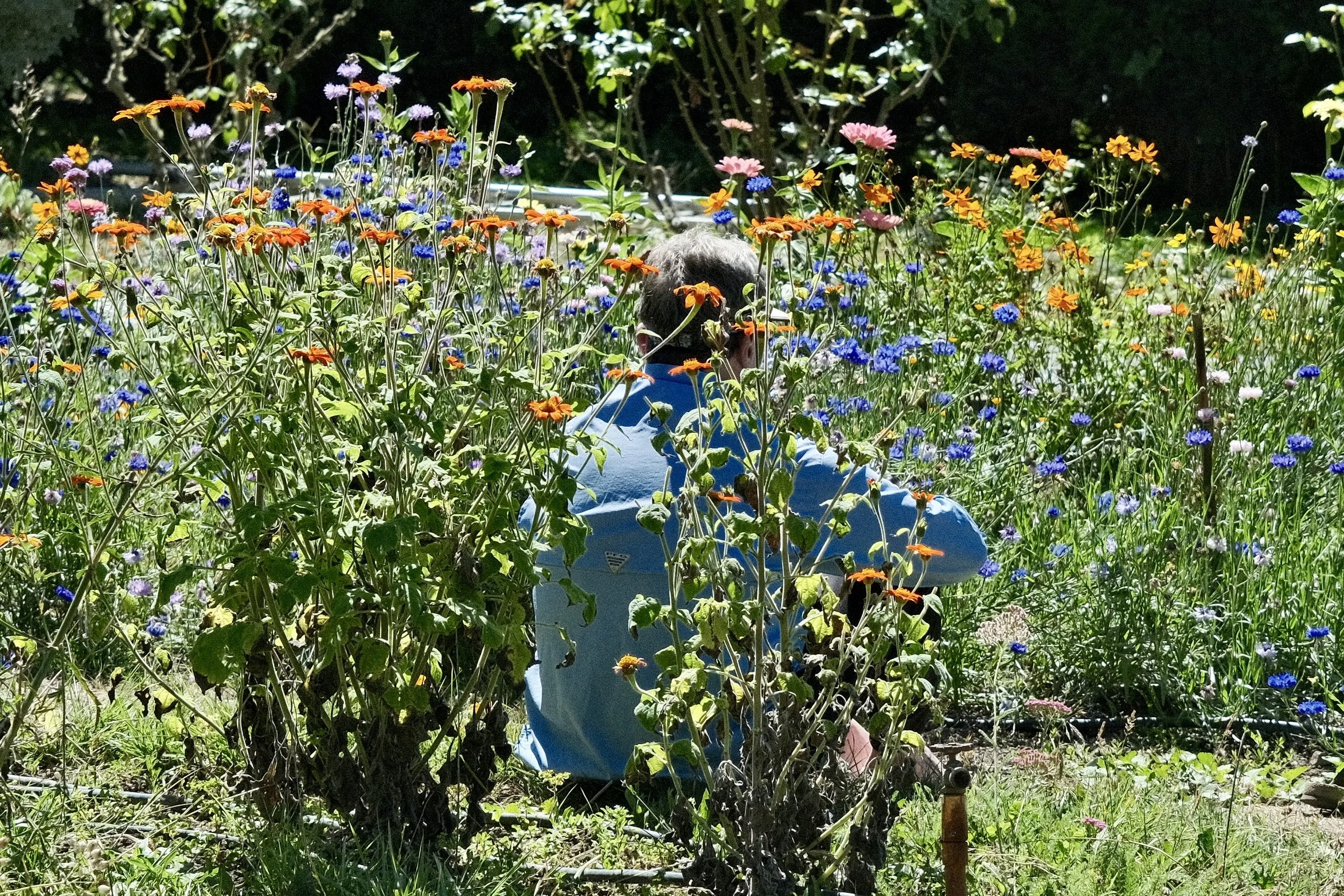
“The retreat was a great respite and an inspiring environment for motivation to make real changes in my day-to-day efforts for my patients and my family.”
Delightful Nearby Options for Resting Your Head
Mill Valley Inn
Pelican Inn
Mountain Home Inn
Cavallo Point
Acqua Inn
*Reserve your lodging early
Tentative Schedule
All sessions will be facilitated by Dr. Jessie Mahoney and/or Dr. Ni-Cheng Liang
Day One
10:15-10:30 Gather @ Zen Center Yurt
10:3030-12:30 Intentions & Connections
12:30-1:15 pm Mindful Eating
1:15 -2:00 pm Experiential Mindfulness in Zen Center Gardens and Farm
2-3:15 pm Experiential Mindfulness & Nervous System Training: Restorative Yoga and Sound Healing
3:00- 3:30 pm Reflections & Takeaways
Day Two
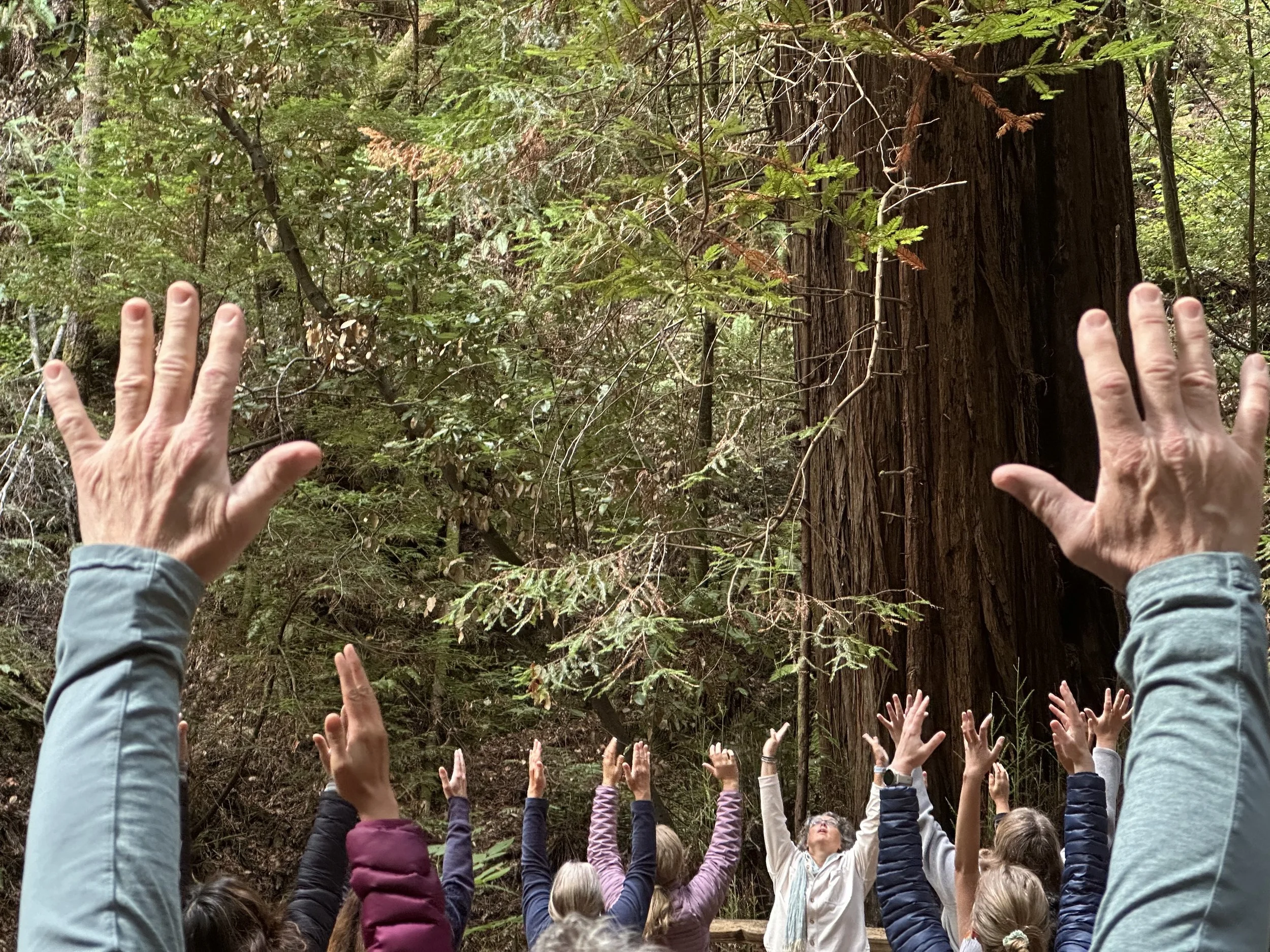
7:45-10 am Yoga & Mindfulness Experience in Muir Woods Optional
10:30-12:30 pm Reclaiming Agency in the Practice of Medicine
12:30 pm - 1:15 Mindful Nourishment & Strengthening Connections
1:30-2:45 pm Body Scan/Sound Healing
2:45-3 Sensory Experience
3:00-3:30 pm Reflection & Takeaways
Day Three
8:30-10:30 am Mindful Walk and Meditation Practice Muir Beach- Optional
10:30-11:30 am Mindful Movement Experience
11: 30 - 12:30 pm Tools for a Sustainable & Fulfilling Career in Medicine
12:30- 1:30 pm Mindful Eating & Community Building
1:30- 2:15 pm Intentional Communication & Self-Compassion Practices in Zen Center Garden
2:30 - 3:30 Transition Well: Intention Setting for a Sustainable Practice
CME Objectives
Recognize thought patterns that are taught in medical training that add to the stress and distress of working in a broken healthcare system.
State the core concepts of mindfulness and describe how they can act as an antidote to burnout, stress, and emotional exhaustion.
Explain the physiology of shame, blame, self-judgment, guilt, and how they hinder your ability to learn from real or perceived mistakes.
Describe the physiology of self-compassion and how self-compassion helps you navigate challenges.
Employ strategies to increase self-compassion and mindful acceptance
Utilize mindfulness and mindset strategies to move forward more nimbly in the face of stress, uncertainty, and lack of control.
Practice mindfulness and activate the parasympathetic nervous system to lessen reactivity, irritability, and anxiety.
Apply mindful communication strategies.
Employ the science of intention setting to build connection and navigate challenging conversations and situations.
“Jessie offered so many coaching pearls that really resonated and helped me understand how a lot of my thinking is defined by and a product of the medical training culture.
She really worked to identify actionable tools that would work for individuals and did not apply a “one-size fits all” approach.
She listened, understood, and shared rather than just providing information or lecturing.”